

As someone with a background in environmental science, I sometimes have trouble teaching about this sensitive topic. I feel so much pain at the current state of the world and sometimes that overwhelming feeling can make me want to avoid engaging with the topic altogether. Climate doomism and fear-based messaging often leads to inaction. Instead, I like to briefly teach about the science behind the issues and focus on taking action.
The grade 8 students completed a Youth Environmental Stewardship project where they chose an environmental issue they cared about and planned a project to raise awareness and take action to address this issue. This project is adapted from a species at risk outreach program I taught when I worked with Sea Smart (now part of The Starfish Canada). The students worked on this for a month and I was impressed by how they used the skills they learned this past year to make stickers, brochures, and badges, create websites, and go out to talk to people and raise funds for charities.
Here are the projects the students worked on:
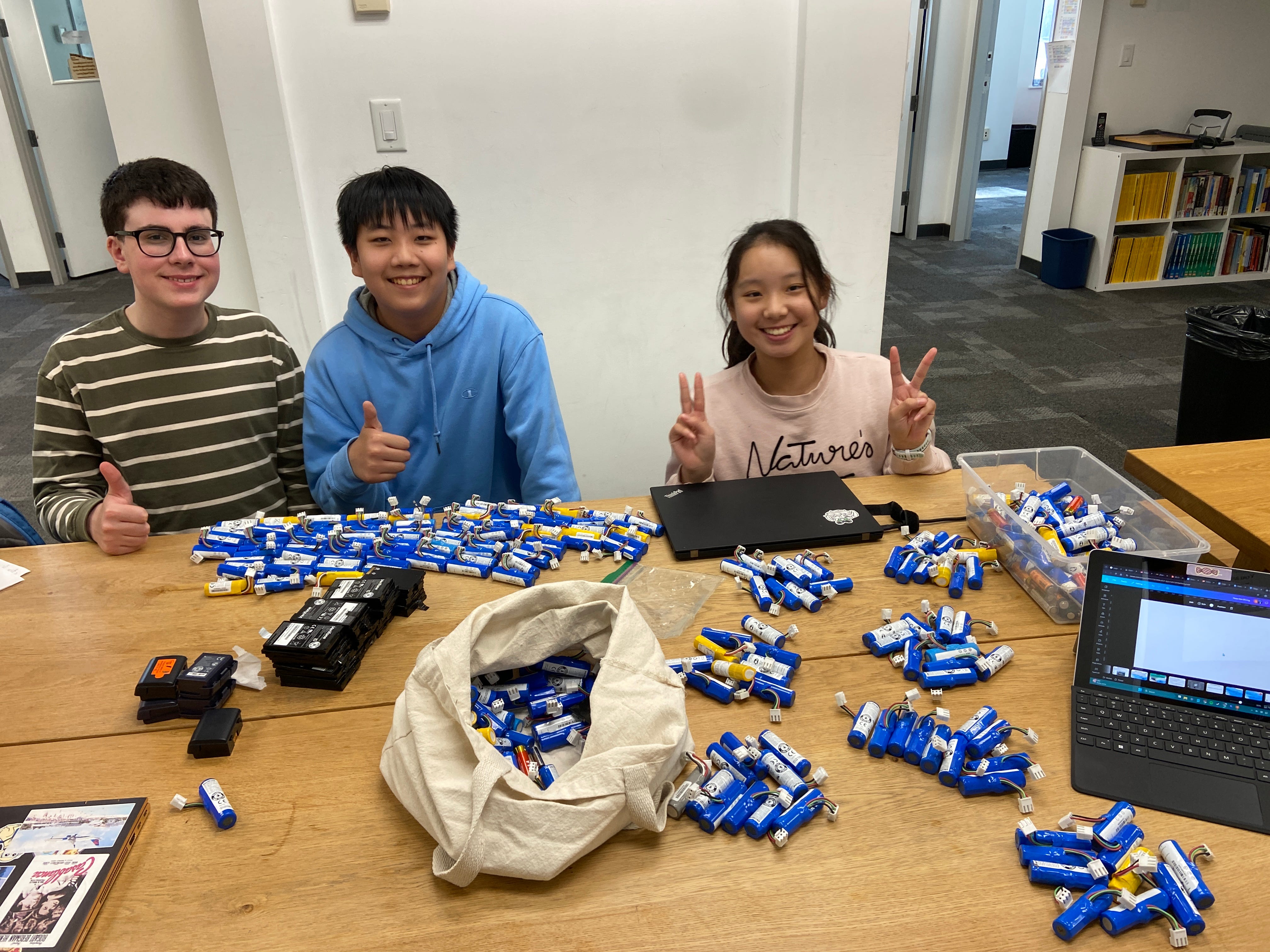
Battery Drive (reducing deep sea mining)
Deep sea mining negatively affects ocean wildlife. To avoid excessive deep sea mining, we can recycle batteries to reuse those components that would otherwise need to be mined. The group gathered over 500 used batteries to ensure they were properly recycled.
Check out RecyleYourBatteries.ca to find a recycling location near you.
Reducing AI use for climate change
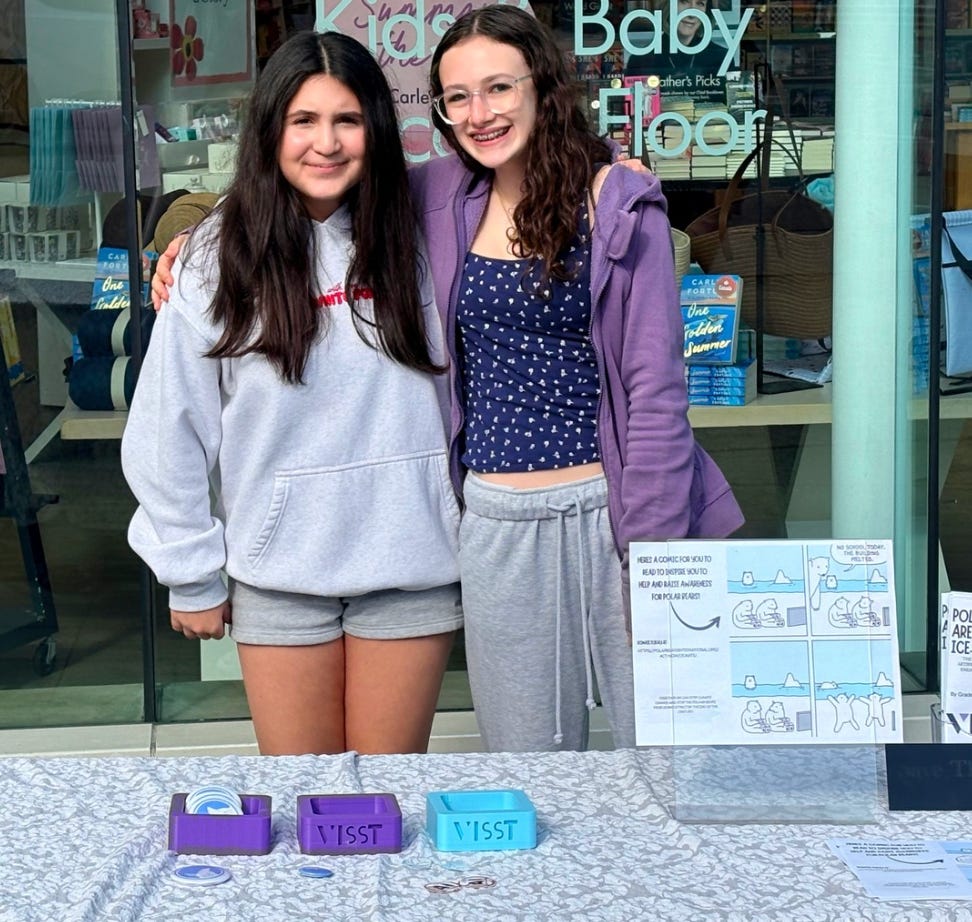
AI uses a lot of energy, which creates a lot of greenhouse gas emissions, contributing to climate change. Polar bears are a symbol of the impact of climate change, and they will be extinct in a century if we do not take action.
The students created a brochure and set up a table outside Indigo to raise $153 in donations for Polar Bear International by giving out anti-AI polar bear stickers and badges. They also received a thank you email from the organization.
Frog Calendar
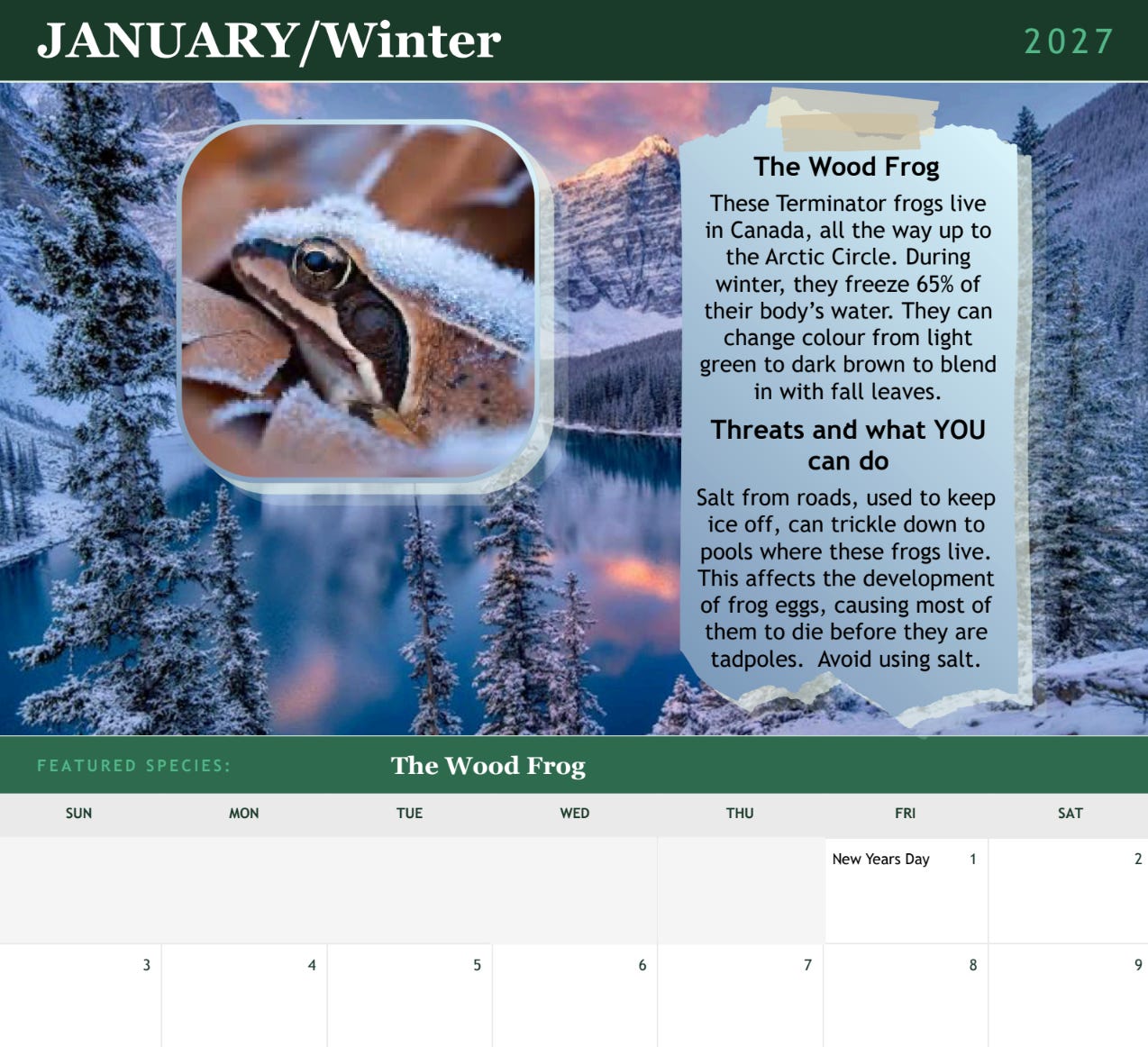
Frog populations in BC are declining because of various environmental issues, including toxic chemicals such as pesticides getting into waterways. The students made a calendar to spread awareness about this issue and actions people can take to help protect these vulnerable (and very cute) animals.
You can download the calendar HERE and the students may continue to sell hard copies at future VISST markets. The students are raising money for the Fraser Valley Conservancy’s Precious Frog Program.
Protecting Ocean Biodiversity
There are around 1500 species at risk in the ocean. The students are raising awareness about ocean pollution and how ocean biodiversity is being destroyed.
Check out the students’ website and consider donating to one of the charities listed in their donation page.
Protecting the Great Barrier Reef
Climate change is impacting coral reefs, and it’s predicted that by 2050, 90% of coral will disappear. The Great Barrier Reef is the largest coral reef in the world. The students set up a table at Douglas Park with their hand-drawn poster and raised $171 for The Great Barrier Reef Foundation.
Supporting better farming practices
A lot of farming industries cause excessive suffering to farm animals. The students are raising awareness about the meat industry, suggesting alternative companies that promote cruelty-free meat and plant-based meat. The students’ website and instagram page, and they suggest looking at their list of ‘meat companies to buy from’ list that include some more ethical companies and plant-based options.
It makes me hopeful to see our youth taking action to protect the environment and some students talking about how this project has impacted them and their families and how they will behave moving forward. I think we need bigger systemic changes, but I do believe that making changes in our own lives makes us more likely to align ourselves with environmental values over time and be more open to the bigger changes we need to drive change.