

The Energy and Chemistry unit in Science 10 concluded with a visit to the UBC Biorefining Research and Innovation Centre (BRIC) and the UBC Biomass Research and Demonstration Facility (BRDF).
At BRIC, researchers develop and test technologies that convert biomass, such as wood waste, into biofuel and other renewable products. BRDF is a biomass energy plant on the UBC campus that uses clean wood waste to generate heat and energy for campus buildings.
In class, we explored energy transformation ( some students even built generators capable of lighting one or several LEDs) and read sections of the Canada Energy Fact Book 2025–2026. This trip provided students with an excellent opportunity to see how biomass can be used as a lower-carbon energy source in real-world applications.
I personally enjoyed this trip because it was not only about learning chemistry or engineering concepts. When scientific work and real-life applications are vividly presented in front of us, we gain a more concrete understanding of why we learn these subjects and how the knowledge can be applied in the real world. I would like to share a few highlights from the trip.
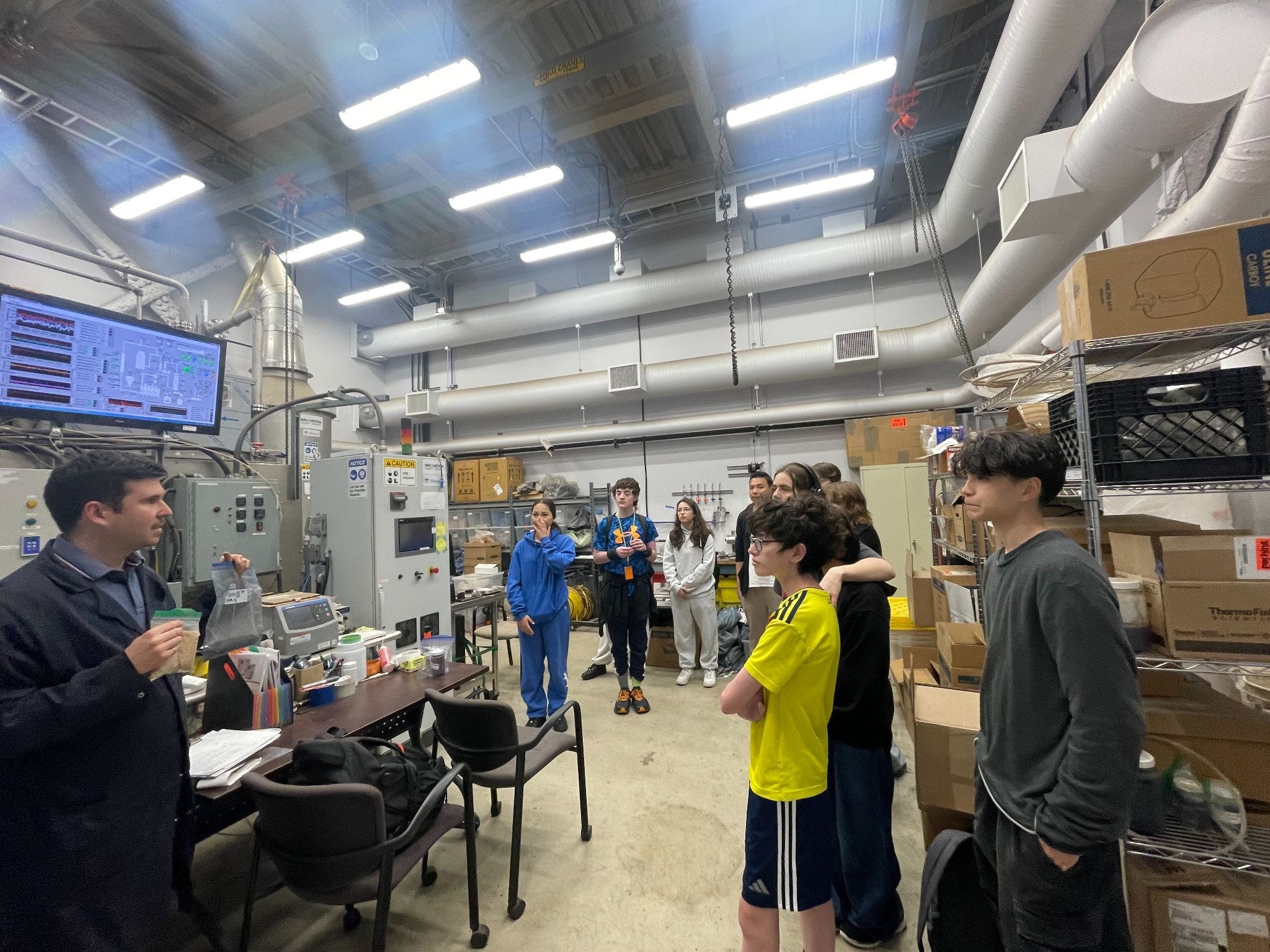
Fig. 1 PhD student Alex explains how pyrolysis can convert waste wood chips into renewable fuel or biochar for soil improvement and carbon storage.
At BRIC, Grade 10 parent Lior noticed a laboratory journal and encouraged students to take a closer look, emphasizing the importance of documenting and staying organized in work.
I was glad to see that students who are usually the most adventurous in the VISST lab were the ones asking questions about safety :D. At that moment, I realized they deserve more trust.
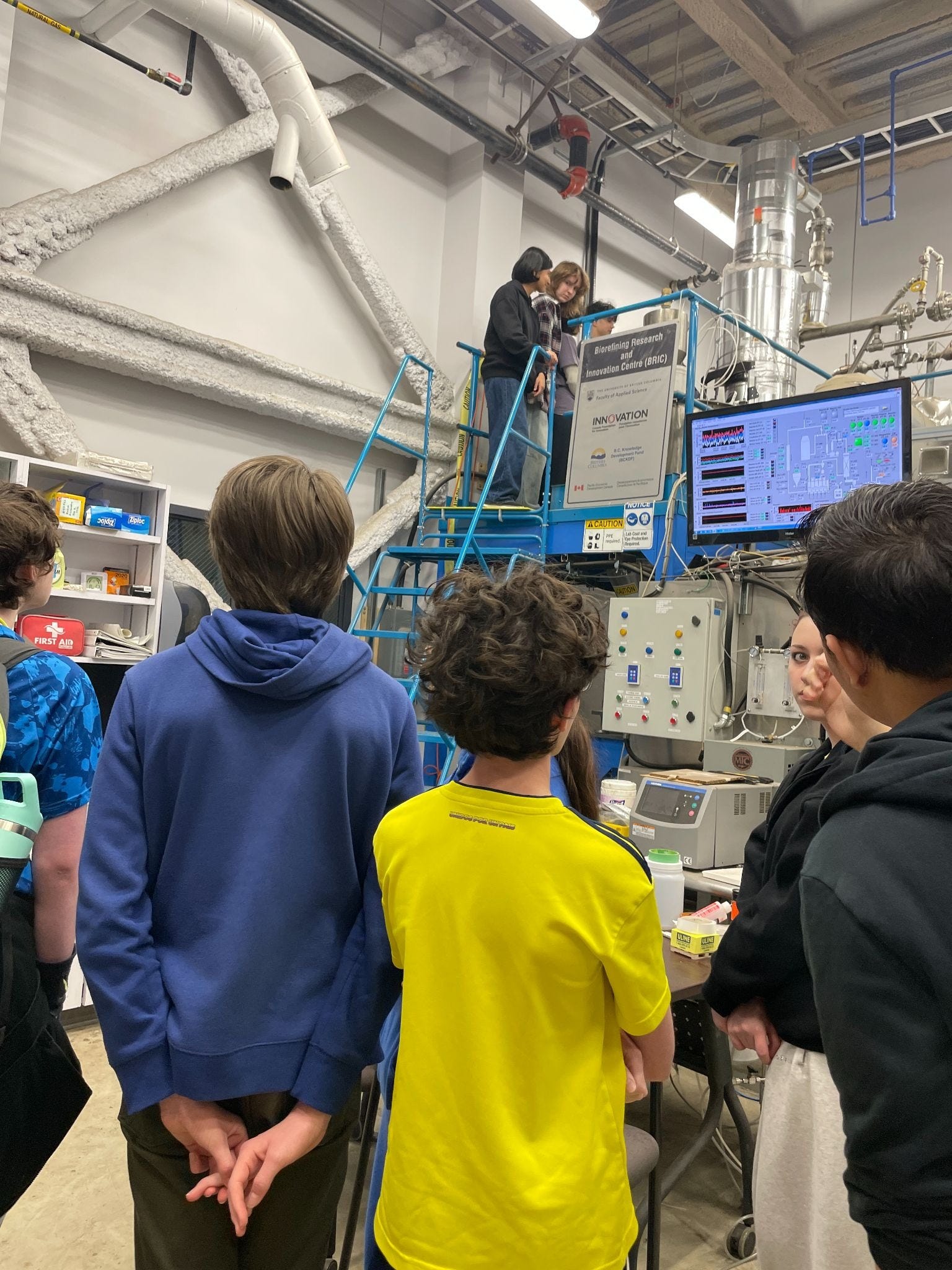
Fig 2. Alex introduces the pyrolysis reactor, the main chamber where biomass is heated without oxygen.
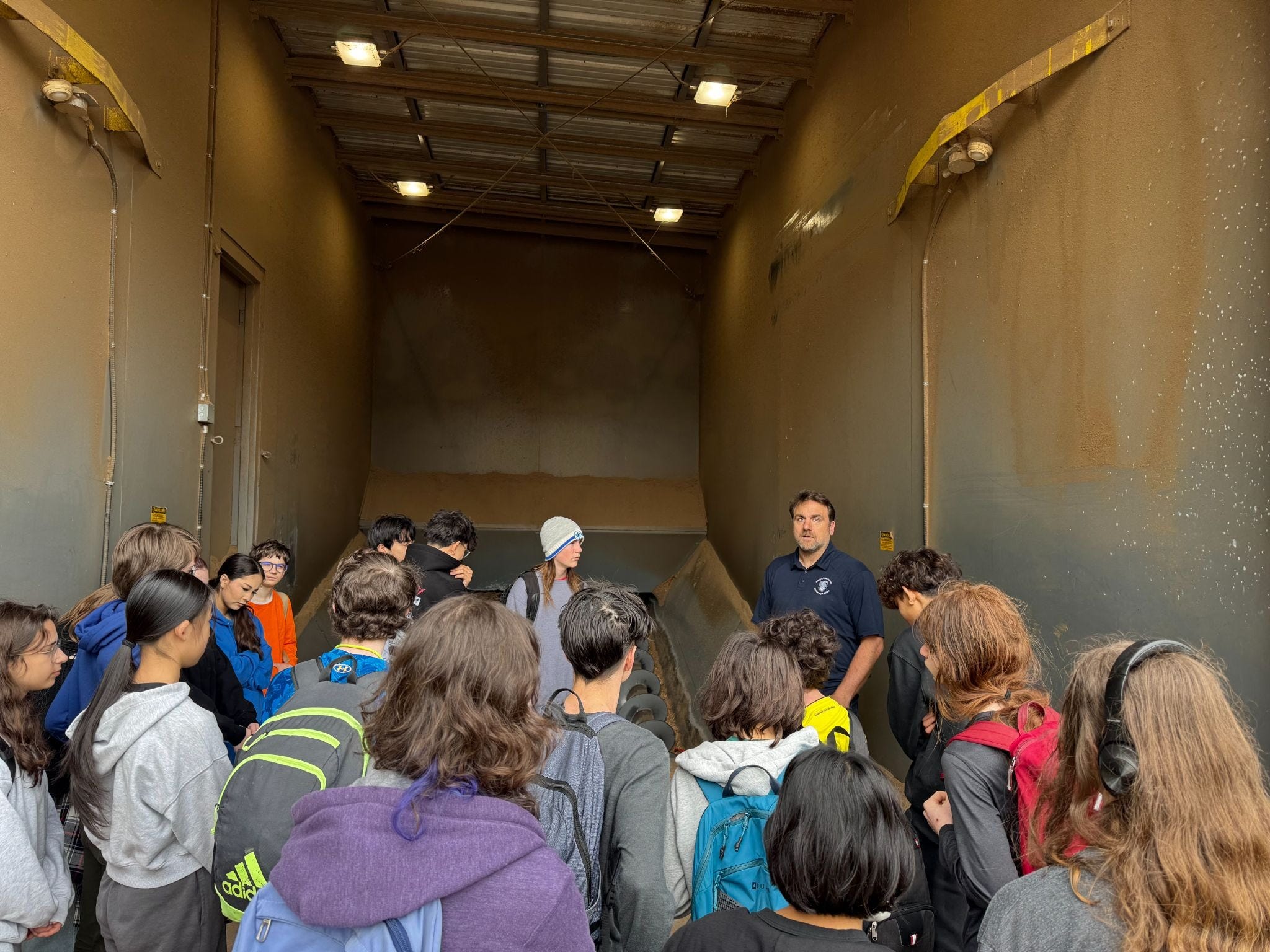
Fig. 3 Utility Systems Specialist Joshua Wauthy explains how wood waste is unloaded and ground before being sent to the furnace.
In the control centre, Jason Rako, Chief Engineer at BRDF, shared what it is like to work as an engineer at the facility, including his 12-hour shifts, long weekends, and the pathway that led him into engineering.
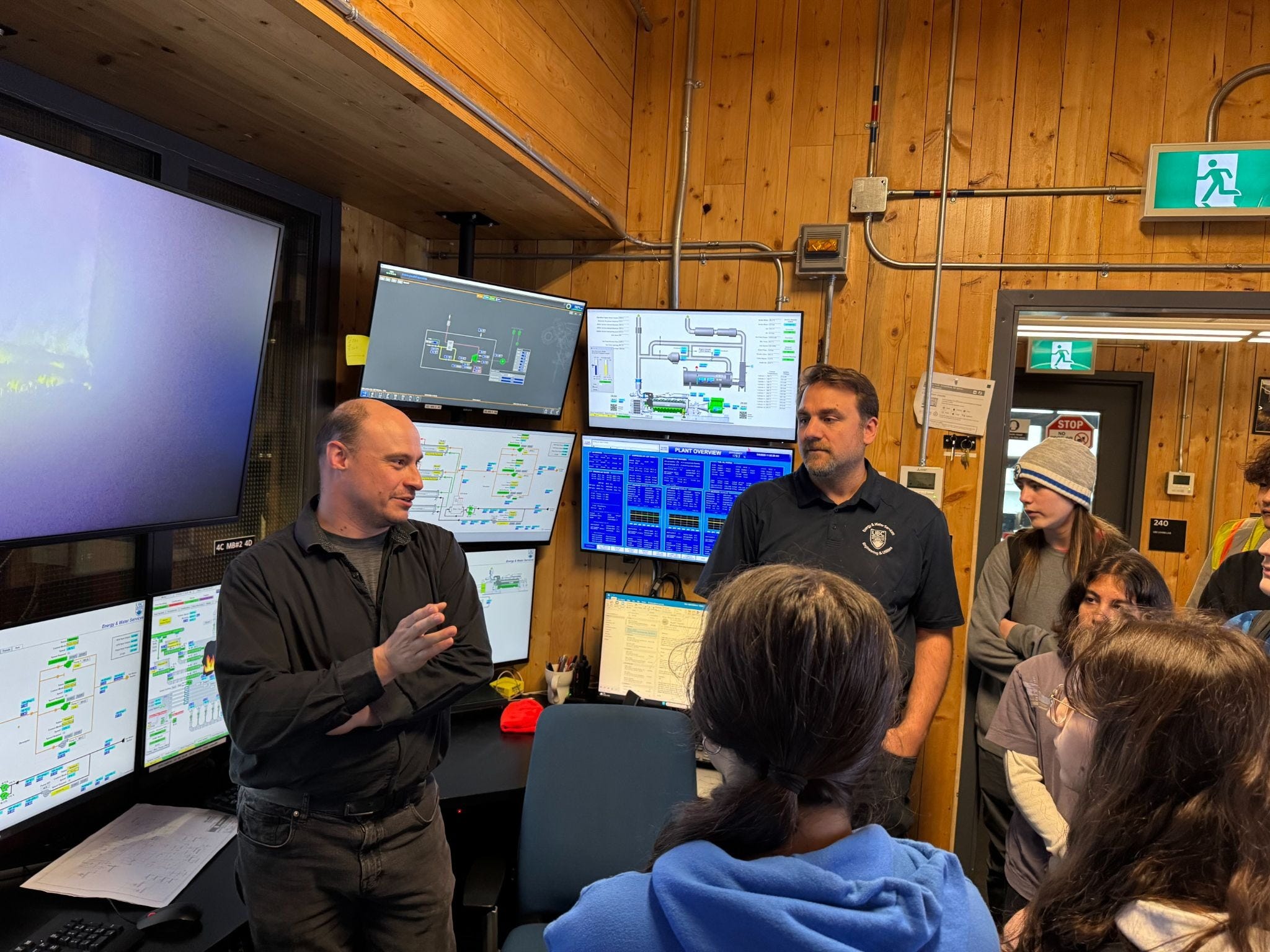
Fig. 5 Jason introducing his work.
This trip allowed students to see technologies designed to reduce carbon emissions and slow global warming, while also giving them insight into the daily work and responsibilities of chemical engineers.
Thank you to BRIC and BRDF for organizing the tour, and to Joshua, Jason, Jun, Alex, and Jimmy for their excellent explanations and engaging guidance throughout the visit. Their sense of humour made the experience especially enjoyable.
Thank you as well to Kara and Lior for chaperoning the tour.
What an interesting field trip!